Home › Journal › Christmas with grandparents
Holidays together
Christmas activities with grandparents: 15 screen-free ideas
The moments people keep are rarely the presents. They are the kitchen, the card game, the story told by the tree lights. Here are fifteen simple ways to make room for them this year.
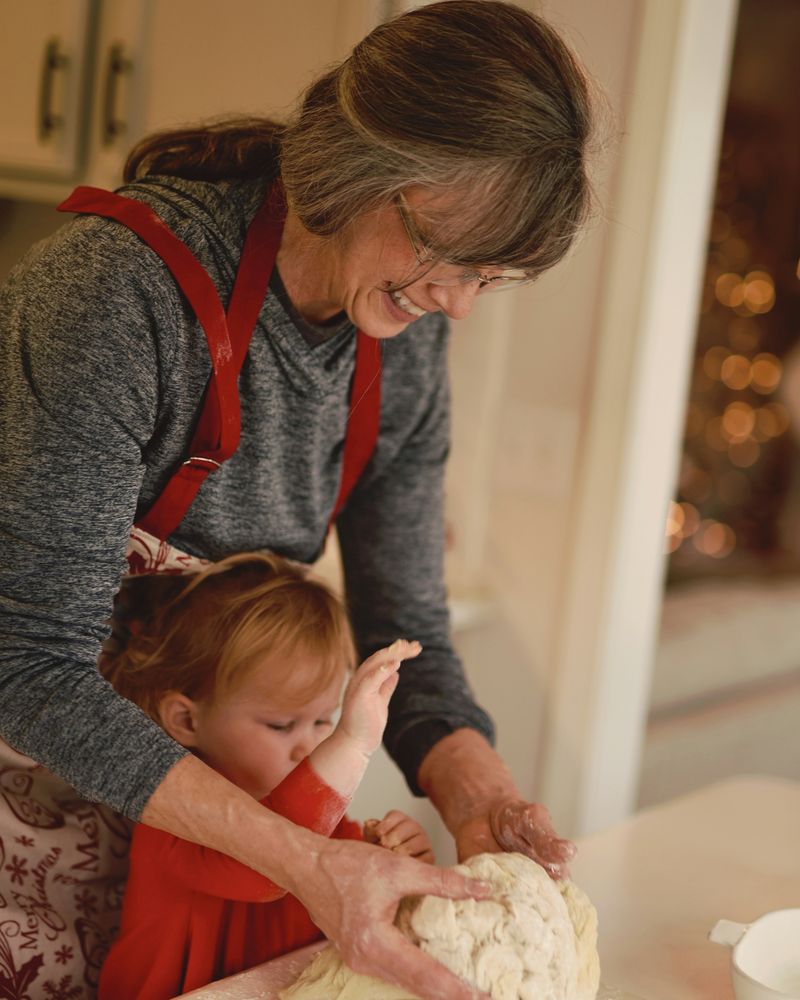
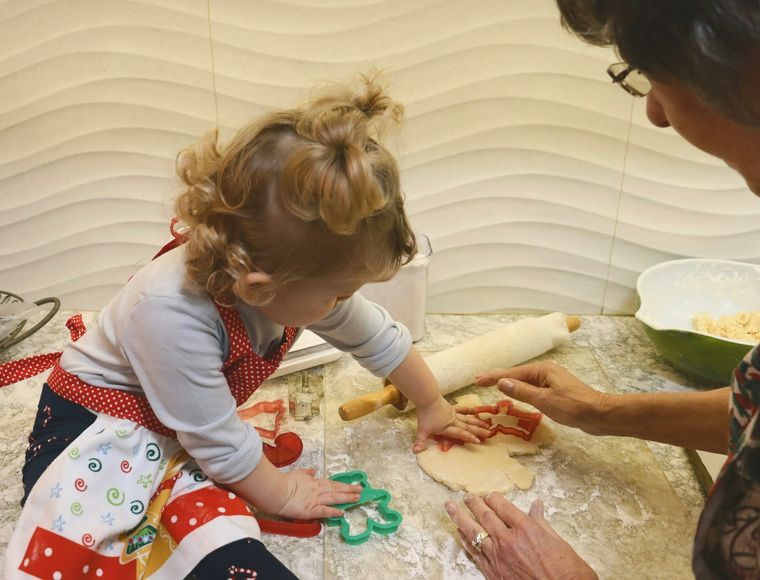
Picture the kitchen at four o’clock on Christmas Eve. The oven has been on since lunch. There is flour on somebody’s sleeve, a radio playing carols a little too quietly to sing along to, and a grandmother showing a four-year-old how to press the cutter all the way down, “or the star loses a point.”
Nobody is checking a phone. Nobody will remember the presents from that year. But someone at that counter may remember this for the rest of their life.
Ask people about Christmas with their grandparents and they will tell you about a kitchen that smelled of cloves, a card game that ran past bedtime, a story they had heard ten times and would gladly hear again. This list is built around moments like those: fifteen of them, simple enough to start this year.
Closeness counts more than the calendar
This is not about banning phones for the holidays. It is about a few hours when everyone’s attention is in the same room, because that is the part that seems to matter. A long-running U.S. study followed grandparents and their adult grandchildren for nearly two decades: feeling emotionally close was linked to fewer depressive symptoms for both generations, while simply being in touch more often was not.
Nobody remembers the presents. Somebody always remembers the kitchen.
In the kitchen
1Bake the family recipe, and write it down
Let the grandparent lead while the kids measure and stir. Have someone copy the recipe onto a card in the grandparent’s own words, “a good handful” and all. That card often outlives the cookies by decades.
2Swap the dish that tastes like Christmas
Over dinner, everyone names the one food that means the holidays to them, and why. Grandparents’ answers tend to arrive with a place and a person attached, which is the whole point.
At the table
3Hold a puzzle race in mixed-age teams
Pair the youngest with the oldest and hand each team the same large-print word search. Little eyes are fast; older eyes know the words. Our free large-print Christmas word search prints at home with the answer key on page two.
4Hide everyone’s names in the puzzle
A grid with the whole family’s names tucked inside turns into a treasure hunt. The moment a seven-year-old finds Grandpa’s name running across the grid is a small thing that lands big. Our personalized Christmas word search is made from the names you type in and printed at home.
5Teach the old card games
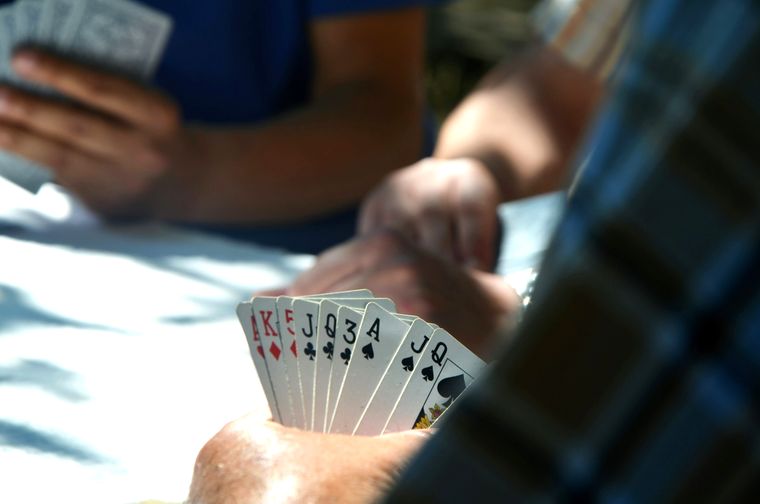
Go Fish and Crazy Eights for little ones, rummy for older kids. Let the grandparents teach the house rules they grew up with, including the disputed ones.
6Leave a jigsaw out all week
A puzzle on a side table invites ten-minute visits. People drift over, find a piece, and end up talking about something else entirely.
By the tree
7Take the ornament story tour
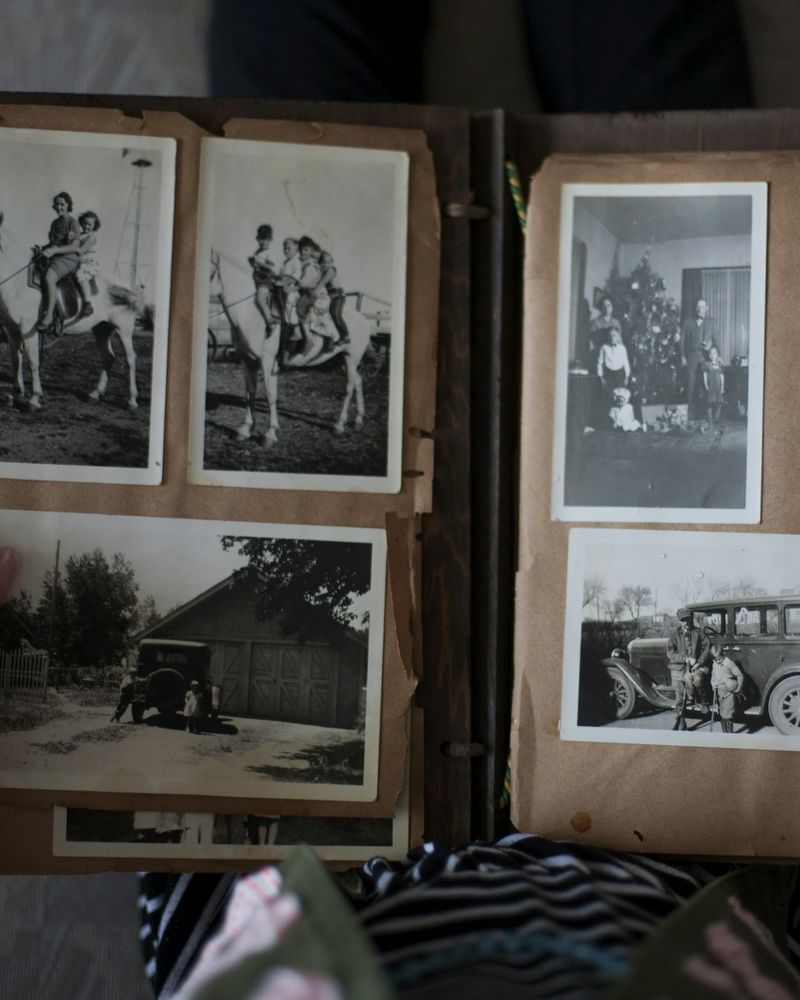
Walk the tree together and ask about each ornament: who made it, who gave it, which year it arrived. Children hear family history without anyone calling it history.
8Hold a story hour
Turn the lights low and ask, “Tell me about the Christmas you remember most.” For children under five, the World Health Organization’s guidance encourages reading and storytelling with a caregiver whenever little ones are sitting still. For older kids, family stories may matter too: children who knew more about their family’s history scored higher on self-esteem and family functioning in one study, a link rather than proof. Our questions to ask grandparents will get the first story started.
9Sing the old songs, and ask where they came from
Dig out the carols the grandparents sang as children, or the records they played. When StoryCorps founder Dave Isay asked his mother about family traditions, she traced the song she used to sing to him as a child back to where it began, and in telling it she “went back generations.” A song is often a door to a story.
Out and about
10Take a slow lights walk
Bundle up and go see the neighborhood lights at grandparent pace. Vote on the best house; the grandparent breaks any tie.
11Deliver cookies together
Pick a neighbor who might be alone this year and bring a plate together. Kids learn that the season is also about noticing other people.
Making things
12Fold paper snowflakes and make cards
Paper, scissors and a few markers are enough. Handmade cards for the people who could not come are a gift twice over.
13Start a memory jar
Everyone writes one favorite memory from the year on a slip of paper. Read them aloud on Christmas Eve or New Year’s Day, and keep the jar.
14Swap a skill
Grandma teaches a knot, a stitch or a card trick; the kids teach a dance or a joke. Everyone is the teacher for ten minutes.
When you cannot be together
15Same puzzle, two kitchens
For many grandparents, screens are the bridge: in AARP’s 2026 research, 76% said electronic technology is a primary way they stay connected with their grandchildren. So use the call well. Mail the same printable puzzle to both homes, then solve it together on the phone or a video call, reading the words aloud as you find them. It turns a check-in into something you do together.
If a grandparent has limited mobility or vision, choose seated, tabletop activities and let them lead from their chair: card games, cookie decorating, sorting old photos, the ornament stories. Good light and large print make puzzles more comfortable, and shorter sessions keep them fun.
Make one of them a tradition
You do not need all fifteen. Pick one that fits your family and do it again next year, and the year after. Researchers who reviewed 50 years of studies on family routines and rituals found them linked to parenting competence, children’s adjustment and marital satisfaction, while noting the limits of the studies. A tradition is simply a good moment that a family agrees to repeat.
So, back to that kitchen. The oven is still warm, the star has all its points, and somebody is writing “a good handful” on a card. That is the whole idea.
Planning the gathering before this one? Here are our Thanksgiving table games for families.
Questions people ask
What can kids do with grandparents at Christmas without screens?
Bake a family recipe and write it down together, hold a story hour by the tree, tour the ornaments and their stories, play the old card games, race through a word search in mixed-age teams, or make paper snowflakes and cards. Pick two or three and let the grandparent lead at least one.
How can long-distance grandparents join in at Christmas?
Mail the same printable puzzle to both homes and solve it together on a phone or video call, read the same story aloud, or ask a grandparent to share a holiday memory that the grandkids write down. Use the call to do something together, not just to say hello.
What Christmas activities work for grandparents with limited mobility?
Choose seated, tabletop activities: large-print puzzles, card games, decorating cookies, sorting old photos, or telling the stories behind ornaments. Good light, a comfortable chair and shorter sessions help, and the grandparent can lead from where they sit.
Where this comes from
- AARP Research, “Powering Families: The Essential Role of Grandparents in Care, Connection and Support,” Connections & Relationships, 2026. datastories.aarp.org
- Moorman SM, Stokes JE. “Solidarity in the Grandparent–Adult Grandchild Relationship and Trajectories of Depressive Symptoms.” The Gerontologist, 2016;56(3):408–420. PubMed
- World Health Organization, “To grow up healthy, children need to sit less and play more,” news release, April 24, 2019. who.int
- Duke MP, Lazarus A, Fivush R. “Knowledge of family history as a clinically useful index of psychological well-being and prognosis: A brief report.” Psychotherapy, 2008;45(2):268–272. PubMed
- Torgovnick May K. “How to unlock your family history” (interview with StoryCorps founder Dave Isay). TED Ideas, November 5, 2015. ideas.ted.com
- Fiese BH, Tomcho TJ, Douglas M, et al. “A review of 50 years of research on naturally occurring family routines and rituals: cause for celebration?” Journal of Family Psychology, 2002;16(4):381–390. PubMed