Home › Journal › Questions to ask grandparents
Grandparents & generations
Questions to ask your grandparents about their life: 48 prompts
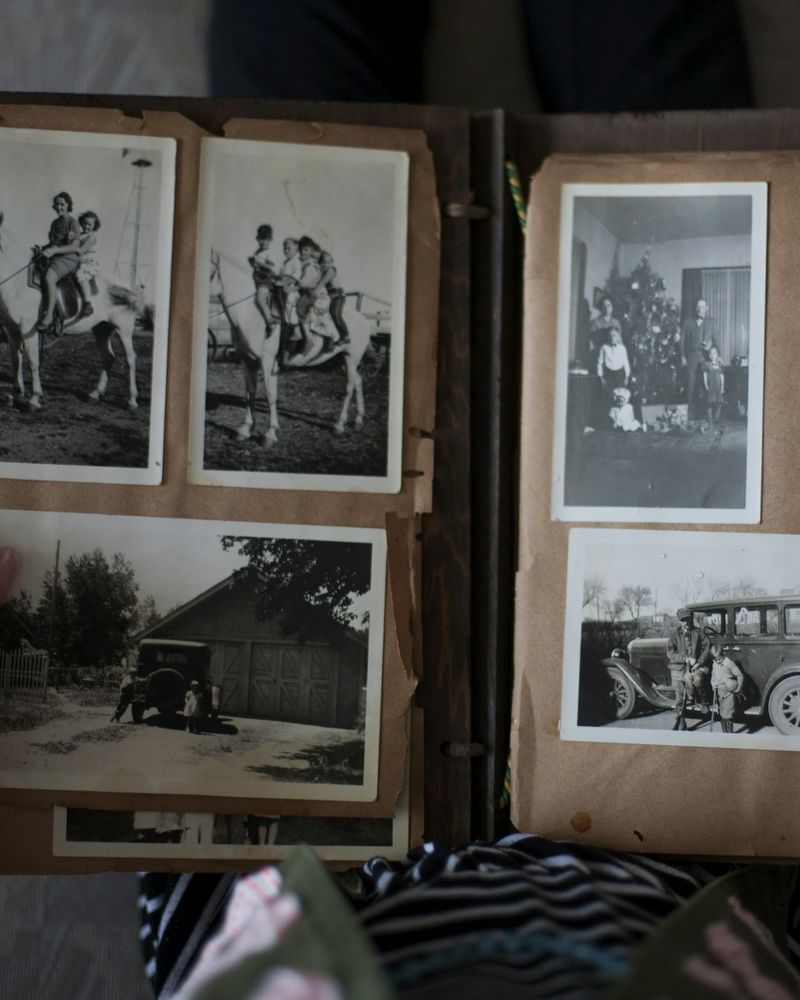
Every family has a keeper of stories, and most of those stories are never asked for. Start small and concrete, follow the answer with “What happened next?”, and keep what you hear.
Dave Isay, who founded StoryCorps, once told TED about asking his great-uncle Sandy how he met Aunt Birdie. Sandy had arranged to meet her on a stoop on 14th Street in New York City. When he saw her coming down the street, he panicked and tried to duck into a building to hide. The door was locked.
“If that door had been open,” Sandy said, “it would have destroyed my life.”
Every family has stories like that one, the kind with a whole marriage hanging on a locked door. Most of us know a handful of our grandparents’ stories, the ones told so often their edges have worn smooth. Far more have never been told, simply because nobody asked. The right question at the right moment can bring back a whole afternoon from seventy years ago: the smell of a kitchen, the name of a best friend, the song on the radio the night they met.
How to ask, and how to listen
- Choose a quiet hour. After a meal, on a drive, or while your hands are busy shelling beans or folding laundry.
- Bring a spark. An old photo, a recipe card or a piece of jewelry opens doors a question alone cannot.
- Ask permission to record. Most phones record audio well. Say why: “I want the kids to hear this in your voice.”
- Ask one question, then follow it. “What happened next?” and “What did that feel like?” are the two best follow-ups there are.
- Let silence sit. Memories can take a moment to arrive. Count to five before you jump in.
- Skip what hurts. If a question lands on something painful, let them choose whether to go on.
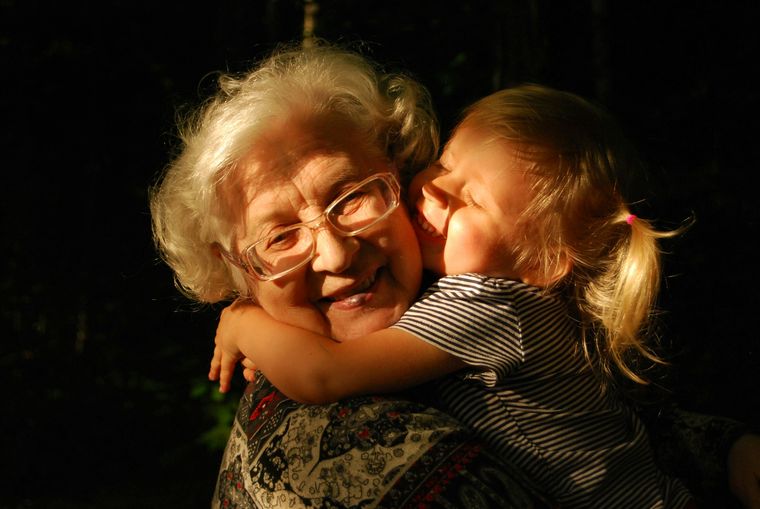
The 48 questions
Childhood and home
- What did the house you grew up in look like? Walk me through the front door.
- What did your kitchen smell like on a Sunday?
- Who was your best friend, and what did you two get up to?
- What chores did you have, and which did you try to get out of?
- What games did you play outside?
- What was the best present you ever received as a child?
School and first jobs
- What was your school like, and how did you get there each day?
- Who was the teacher you still remember, and why?
- What did you want to be when you grew up?
- What was your very first job, and how much did it pay?
- What did you buy with your first paycheck?
- What work are you proudest of?
Love and friendship
- How did you meet the love of your life? Who noticed whom first?
- What was your first date like?
- What song reminds you of falling in love?
- What did your wedding day look like?
- Who is the friend you have known longest?
- What do you think makes a marriage, or a friendship, last?
Food and traditions
- What dish did your mother or grandmother make that you would love to taste again?
- Who taught you to cook, and what was the first thing you made?
- What did holidays look like in your house when you were young?
- Which traditions did you keep, and which did you let go?
- What did Thanksgiving dinner look like at your grandparents’ table?
- Is there a family recipe that has never been written down?
Hard times and courage
- What was the hardest year you lived through?
- What got you through it?
- When did you have to be braver than you felt?
- Was there a time money was very tight? How did the family manage?
- Who helped you when you needed it most?
- What is something you were afraid of that turned out fine?
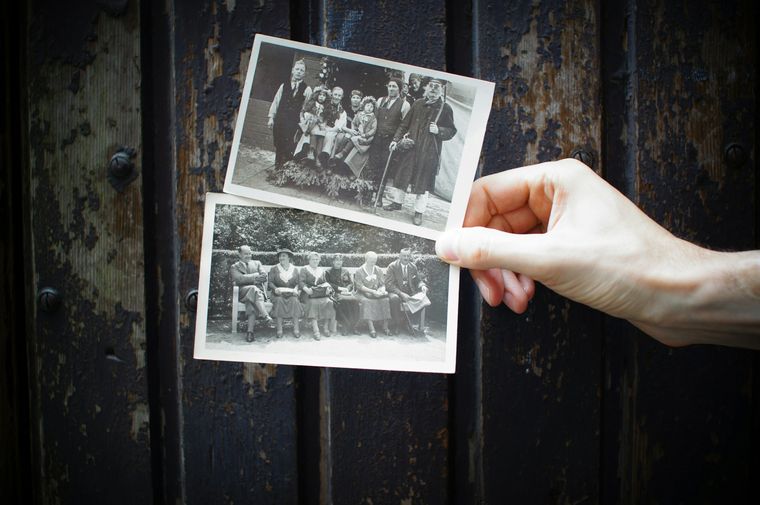
The world you grew up in
- What news event do you remember exactly where you were for?
- What did things cost when you were young: a soda, a movie, a gallon of gas?
- What did your family do in the evenings before screens were everywhere?
- What invention changed your life the most?
- What music did your parents dislike that you loved?
- What do you miss most about that time?
Being a parent
- What was it like the day my parent was born?
- What were they like as a little child?
- What was the hardest part of raising a family?
- What is a funny story about my parent that they would rather I did not know?
- What did you learn from your own parents about raising children?
- What do you hope your grandchildren will remember about you?
Wisdom and wishes
- What would you tell your twenty-year-old self?
- What is the best advice anyone ever gave you?
- What are you most proud of?
- What do you want the grandchildren to know about our family?
- Is there anything you have always wanted to do and still would like to?
- What are you grateful for today?
Why the stories matter
As the writer Bruce Feiler tells it, the idea started with Sara Duke, a psychologist who works with children with learning disabilities. She noticed something: “The ones who know a lot about their families tend to do better when they face challenges.” Her husband, Marshall Duke, was intrigued. With Robyn Fivush he built a short “Do You Know…?” scale of 20 questions, such as “Do you know how your parents met?” and “Do you know where some of your grandparents grew up?”
In their research, children who knew more of their family’s history scored higher on self-esteem, family functioning and a sense of control over their lives, and lower on anxiety and behavior problems. It is a correlation, not proof that the stories cause those things. But it suggests that knowing where you come from goes along with feeling steady.
Telling the stories may help the teller too. A review of 128 controlled studies of reminiscence programs, structured sessions where older adults look back on their lives, found moderate improvements in depressive symptoms and in a sense that one’s life has hung together, compared with control groups. A conversation over coffee is not a therapy program, but it rests on the same simple act: looking back, out loud, with someone listening. And in a U.S. study that followed grandparents and adult grandchildren for nearly two decades, feeling emotionally close was linked to fewer depressive symptoms for both generations, while simply being in touch more often was not.
Most family stories are never lost. They are just never asked for.
Don’t wait for the perfect moment
Many people go looking for questions to ask a grandparent “before it is too late.” If time feels short, do not try to cover everything. Choose the three questions that matter most to you and ask them this week, on a visit or a phone call. A call or video chat can carry these conversations well; in AARP’s 2026 research, 76% of grandparents called technology a primary way they stay connected with their grandchildren.
Holidays are a natural time to ask. StoryCorps launched its Great Thanksgiving Listen in 2015 to invite people to record an interview with an elder, and interviews uploaded to its archive are preserved at the Library of Congress. Our Thanksgiving table games include a ten-minute interview game built on the same idea.
Keep what you hear
- Save the recording somewhere the whole family can find it, labeled with the date.
- Write the best stories on cards and tuck them into the recipe box or the photo album.
- Read one aloud at the next family gathering, and watch the teller’s face.
- Turn the stories into a puzzle. Pull out the words that came up (a street name, a first car, a dance hall, a favorite dish) and hide them in a word search that grandparent and grandchildren solve together. Every found word starts another story.
You do not need a microphone, a script or a perfect afternoon. You need one good question, and the patience to hear the whole answer. Somewhere in it, there may be a locked door.
Questions people ask
What are good questions to ask grandparents?
Concrete questions about places, objects and firsts work best: what their childhood home looked like, their first job, how they met their partner, a holiday they remember, the hardest year they lived through and what got them through it. Follow each answer with "What happened next?"
How do I interview my grandparents?
Pick a quiet hour, bring something to spark memories such as old photos or a recipe card, ask permission before recording, ask one question at a time, and let silences sit. Twenty or thirty minutes is plenty for one sitting.
What questions should I ask my grandparents before it is too late?
If time feels short, choose the few that matter most to you: what they want the grandchildren to know, the moment they were proudest of, how they met, and what they would tell their younger self. Ask this week, not at a perfect moment.
What should I do with my grandparents' answers?
Keep the recording, write the best stories on cards, share them at the next family gathering, or turn the words from their stories (a street name, a first car, a favorite dish) into a puzzle the grandchildren can solve with them.
Where this comes from
- Torgovnick May K. “How to unlock your family history” (interview with StoryCorps founder Dave Isay). TED Ideas, November 5, 2015. ideas.ted.com
- Feiler B. “The Stories That Bind Us.” First published in The New York Times, March 17, 2013; republished on The Nonlinear Life, 2023. brucefeiler.substack.com
- Fivush R. “The “Do You Know?” 20 Questions About Family Stories.” Psychology Today, November 2016. psychologytoday.com
- Duke MP, Lazarus A, Fivush R. “Knowledge of family history as a clinically useful index of psychological well-being and prognosis: A brief report.” Psychotherapy, 2008;45(2):268–272. PubMed
- Pinquart M, Forstmeier S. “Effects of reminiscence interventions on psychosocial outcomes: a meta-analysis.” Aging & Mental Health, 2012;16(5):541–558. PubMed
- Moorman SM, Stokes JE. “Solidarity in the Grandparent–Adult Grandchild Relationship and Trajectories of Depressive Symptoms.” The Gerontologist, 2016;56(3):408–420. PubMed
- AARP Research, “Powering Families: The Essential Role of Grandparents in Care, Connection and Support,” Connections & Relationships, 2026. datastories.aarp.org
- StoryCorps, “The Great Thanksgiving Listen.” storycorps.org